The logistics industry in Malaysia has become one of the most important pillars supporting the nation’s economic growth, international trade, manufacturing ecosystem, and rapidly expanding eCommerce market. Strategically located in the heart of Southeast Asia, Malaysia serves as a regional gateway connecting major global shipping routes between Asia, Europe, and the Middle East. This geographic advantage has positioned Logistic Malaysia as a critical player in the regional and global supply chain network.
Over the past decade, the transportation and logistics industry Malaysia has experienced significant transformation driven by digitalisation, automation, infrastructure expansion, and increasing cross-border trade activities. Malaysia’s logistics sector contributes substantially to the national economy, supporting industries such as manufacturing, retail, automotive, electronics, healthcare, and oil and gas.
According to industry estimates, Malaysia’s logistics market continues to grow steadily due to increasing trade volume, stronger eCommerce demand, and government initiatives aimed at improving supply chain efficiency. The country’s logistics ecosystem includes freight forwarding Malaysia services, warehousing operations, cold chain logistics, air cargo transportation, shipping, last-mile delivery, and integrated supply chain solutions.
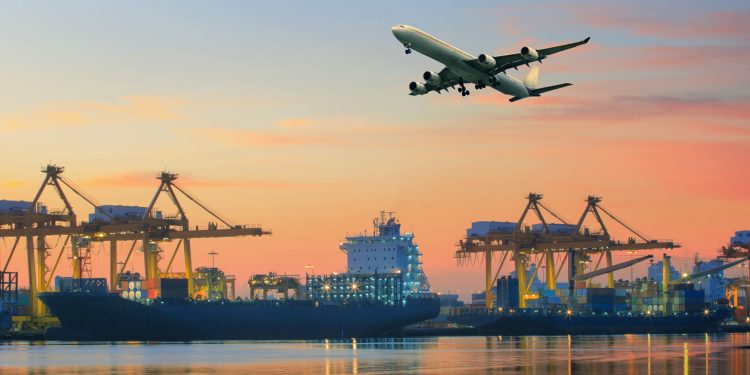
Today, businesses across various industries depend heavily on reliable logistics company in Malaysia providers to ensure operational efficiency, inventory management, and timely delivery. From major ports such as Port Klang and the Port of Tanjung Pelepas to advanced distribution hubs in Selangor and Penang, Malaysia continues to strengthen its role as a logistics powerhouse in ASEAN.
This article explores the growth of Logistic Malaysia, its economic importance, major logistics hubs, emerging technologies, market challenges, and future trends shaping the Malaysia supply chain industry.
The Growth of Logistic Malaysia
Malaysia’s Strategic Geographic Position
One of the biggest advantages of Logistic Malaysia is the country’s strategic location. Malaysia sits along the Strait of Malacca, one of the busiest shipping lanes in the world. Millions of containers and massive cargo volumes pass through this route annually, making Malaysia an essential transit point for international trade.
The nation’s proximity to Singapore, Thailand, Indonesia, Vietnam, and China further strengthens its role in regional logistics. Businesses seeking efficient ASEAN market access often use Malaysia as a central distribution hub.
Malaysia’s logistics infrastructure supports multiple transportation modes, including:
- Sea freight
- Air freight
- Rail cargo
- Road transportation
- Integrated multimodal logistics
This comprehensive infrastructure allows logistics company in Malaysia operators to provide efficient domestic and international freight services.
Economic Contribution of the Logistics Industry
The transportation and logistics industry Malaysia plays a crucial role in supporting economic development. Logistics directly impacts sectors such as:
- Manufacturing
- Electronics
- Automotive
- Retail
- Agriculture
- Healthcare
- Oil and gas
- eCommerce
Malaysia’s logistics and transportation sector contributes significantly to the country’s GDP while also generating employment opportunities across supply chain operations, warehouse management, transportation services, customs handling, and freight forwarding.
As Malaysia continues expanding its export-oriented economy, the demand for advanced logistics services is expected to rise steadily over the coming years.
Key Components of the Malaysia Supply Chain
Freight Forwarding Malaysia Services
Freight forwarding Malaysia companies manage the movement of goods across international borders. Their services include:
- Customs clearance
- Cargo documentation
- Shipment coordination
- Import and export handling
- Air freight services
- Ocean freight management
Freight forwarders act as intermediaries between shippers and transportation providers, helping businesses reduce shipping complexity and improve operational efficiency.
Malaysia’s strong trade relationships with China, Singapore, the United States, Japan, and the European Union have increased demand for professional freight forwarding services.
Warehousing Services Malaysia
Modern warehousing services Malaysia providers have evolved beyond traditional storage facilities. Today’s warehouses support:
- Inventory management
- Cold storage
- Fulfilment services
- Automated sorting
- Packaging solutions
- Real-time inventory tracking
The rise of eCommerce logistics Malaysia has accelerated demand for strategically located warehouses, especially near Kuala Lumpur, Selangor, Penang, and Johor.
Smart warehouses equipped with automation systems and digital inventory technologies are becoming increasingly common as businesses aim to improve supply chain efficiency and reduce operational costs.
Transportation and Distribution Networks
Malaysia’s road infrastructure is among the most developed in Southeast Asia. Major highways connect logistics hubs throughout Peninsular Malaysia, enabling fast and efficient cargo movement.
Road transportation remains the backbone of domestic logistics operations, particularly for:
- Retail distribution
- Manufacturing supply chains
- Last-mile delivery
- FMCG transportation
Rail freight services are also gaining traction as Malaysia invests in railway infrastructure to reduce transportation costs and improve sustainability.
Major Logistics Hubs in Malaysia
Port Klang: Malaysia’s Largest Port
Port Klang is the most important maritime gateway in Malaysia and one of the busiest ports in Southeast Asia. Located in Selangor, the port handles massive container volumes annually and serves as a major transhipment hub.
Port Klang supports various industries through:
- Container shipping
- Bulk cargo handling
- Automotive logistics
- Oil and gas logistics
- Warehousing and distribution
Its strategic location near Kuala Lumpur and major industrial zones makes it highly attractive for international logistics operators.
The port’s ongoing expansion projects aim to increase handling capacity and strengthen Malaysia’s competitiveness in global shipping.
Port of Tanjung Pelepas (PTP)
Located in Johor, the Port of Tanjung Pelepas has emerged as another major logistics hub in Malaysia. PTP is known for its advanced infrastructure, efficient container handling systems, and strong global shipping connectivity.
The port plays a vital role in supporting Malaysia’s export economy, particularly for manufacturing and electronics industries.
Kuala Lumpur International Airport (KLIA)
KLIA serves as a critical air cargo hub for Logistic Malaysia. The airport supports:
- Express cargo delivery
- Pharmaceutical logistics
- High-value electronics transportation
- Perishable goods shipping
Air freight demand continues to grow due to increasing eCommerce activities and rising international trade volumes.
The Rise of eCommerce Logistics Malaysia
Growing Online Shopping Demand
The rapid growth of online shopping has transformed the logistics landscape in Malaysia. Consumers increasingly expect:
- Faster delivery
- Real-time shipment tracking
- Flexible fulfilment options
- Same-day or next-day delivery
As a result, eCommerce logistics Malaysia providers are investing heavily in technology, warehouse automation, and last-mile delivery infrastructure.
The COVID-19 pandemic significantly accelerated eCommerce adoption across Malaysia, permanently changing consumer purchasing behaviour.
Last-Mile Delivery Challenges
Last-mile delivery refers to the final stage of product delivery from warehouses to customers. It is often the most expensive and operationally challenging part of the logistics process.
Logistics company in Malaysia operators are introducing innovative solutions such as:
- Route optimisation software
- AI-powered delivery systems
- Smart lockers
- Electric delivery vehicles
- Real-time delivery tracking
These innovations help improve delivery speed while reducing operational costs.
Technology and Digital Transformation in Logistic Malaysia
Automation and Smart Warehousing
Technology is reshaping the future of the Malaysia supply chain industry. Modern logistics companies are increasingly adopting automation technologies to improve operational efficiency.
Key innovations include:
- Robotics
- Automated guided vehicles
- Warehouse management systems
- Barcode scanning
- RFID tracking
- AI-driven inventory management
Automation allows businesses to reduce errors, speed up order fulfilment, and improve warehouse productivity.
Artificial Intelligence and Data Analytics
AI and data analytics are becoming essential tools in logistics management. Companies use predictive analytics to forecast:
- Customer demand
- Inventory requirements
- Delivery timelines
- Transportation costs
These technologies help logistics operators optimise routes, reduce fuel consumption, and improve customer satisfaction.
Internet of Things (IoT)
IoT technology enables real-time tracking of cargo, vehicles, and warehouse operations. Sensors installed on shipments can monitor:
- Temperature
- Humidity
- Location
- Security conditions
This is especially important for industries such as pharmaceuticals, food distribution, and cold chain logistics.
Sustainability in the Transportation and Logistics Industry Malaysia
Green Logistics Initiatives
Sustainability is becoming a major focus area in Logistic Malaysia. Businesses are under increasing pressure to reduce carbon emissions and adopt environmentally responsible practices.
Green logistics initiatives include:
- Electric delivery vehicles
- Fuel-efficient transportation
- Solar-powered warehouses
- Sustainable packaging
- Route optimisation technologies
Many logistics company in Malaysia providers are also working toward ESG compliance to meet international business standards.
Rail Transportation and Carbon Reduction
Rail cargo transportation offers lower carbon emissions compared to road transport. Malaysia’s investments in railway infrastructure may help reduce traffic congestion and improve environmental sustainability.
As fuel prices continue to fluctuate, rail freight is expected to play a larger role in Malaysia’s future logistics ecosystem.
Challenges Facing Logistic Malaysia
Rising Operational Costs
The logistics industry faces increasing operational expenses due to:
- Fuel price volatility
- Labour shortages
- Rising warehouse rental costs
- Inflation
- Currency fluctuations
These challenges force logistics providers to continuously improve operational efficiency and adopt cost-saving technologies.
Labour Shortages
The logistics sector requires skilled workers for warehouse management, transportation planning, customs handling, and technology integration.
However, labour shortages remain a major issue, particularly in warehouse operations and truck driving services.
Many companies are responding by investing in automation and workforce training programmes.
Global Supply Chain Disruptions
Recent global events have exposed vulnerabilities in international supply chains. Shipping delays, container shortages, geopolitical tensions, and trade disruptions continue affecting global logistics operations.
Malaysia’s logistics industry must remain agile and resilient to manage these uncertainties effectively.
Government Support and Logistics Development
National Transport Policy
The Malaysian government has introduced several initiatives aimed at strengthening the logistics industry and improving transportation infrastructure.
Key priorities include:
- Enhancing port efficiency
- Improving railway connectivity
- Supporting digital transformation
- Promoting sustainable logistics
- Expanding trade facilitation
Government policies play a critical role in ensuring Malaysia remains competitive in regional and global supply chains.
Digital Free Trade Zone (DFTZ)
Malaysia’s Digital Free Trade Zone initiative supports cross-border eCommerce growth by improving logistics efficiency and customs processing.
The DFTZ helps SMEs expand internationally while attracting foreign investment into Malaysia’s logistics ecosystem.
Future Trends Shaping Logistic Malaysia
Expansion of Cold Chain Logistics
Demand for cold chain logistics is growing rapidly due to increased pharmaceutical, healthcare, and food distribution requirements.
Cold chain logistics involves temperature-controlled transportation and storage solutions that preserve product quality and safety.
Malaysia’s healthcare sector growth is expected to further increase demand for specialised cold storage facilities.
Growth of Cross-Border eCommerce
Cross-border eCommerce continues creating new opportunities for logistics providers. Malaysian businesses increasingly export products to regional and international markets through online platforms.
Efficient customs clearance, international shipping capabilities, and integrated fulfilment services will become increasingly important.
Smart Logistics and Industry 4.0
Industry 4.0 technologies are expected to reshape the future of Logistic Malaysia through:
- AI automation
- Predictive analytics
- Autonomous delivery systems
- Blockchain supply chain management
- Smart warehouse ecosystems
Companies that invest early in digital transformation may gain stronger competitive advantages.
Why Businesses Need a Reliable Logistics Company in Malaysia
Choosing the right logistics partner is critical for business success. A professional logistics company in Malaysia can help businesses improve:
- Delivery efficiency
- Inventory management
- Supply chain visibility
- Customer satisfaction
- Cost control
Reliable logistics services are particularly important for industries with complex supply chain requirements, such as manufacturing, healthcare, retail, and eCommerce.
Businesses should evaluate logistics providers based on:
- Industry experience
- Technology capabilities
- Warehouse infrastructure
- Transportation network
- Customer service quality
- Regulatory compliance
FAQ About Logistic Malaysia
What is Logistic Malaysia?
Logistic Malaysia refers to the country’s logistics and supply chain industry, including transportation, warehousing, freight forwarding, shipping, and distribution services that support domestic and international trade.
Why is Malaysia important for logistics?
Malaysia is strategically located along the Strait of Malacca, one of the world’s busiest shipping routes. Its strong infrastructure, ports, airports, and regional connectivity make it an important logistics hub in Southeast Asia.
What are the major logistics hubs in Malaysia?
Major logistics hubs include:
- Port Klang
- Port of Tanjung Pelepas
- Kuala Lumpur International Airport
- Penang Port
- Johor logistics and industrial zones
What services do logistics companies in Malaysia provide?
A logistics company in Malaysia may offer:
- Freight forwarding
- Warehousing
- Transportation
- Customs clearance
- Last-mile delivery
- Supply chain management
- Cold chain logistics
How is eCommerce affecting logistics in Malaysia?
The rapid growth of online shopping has increased demand for faster delivery, automated warehouses, and advanced last-mile logistics solutions.
What technologies are transforming Logistic Malaysia?
Technologies shaping the industry include:
- Artificial intelligence
- IoT tracking systems
- Warehouse automation
- Robotics
- Data analytics
- Smart inventory systems
Conclusion
Logistic Malaysia continues to evolve as one of Southeast Asia’s most dynamic and strategically important logistics markets. Supported by strong infrastructure, global trade connectivity, expanding eCommerce activity, and government investment, Malaysia is well-positioned to strengthen its role in the regional supply chain ecosystem.
The transportation and logistics industry Malaysia is undergoing rapid transformation driven by digitalisation, automation, sustainability initiatives, and changing consumer expectations. From freight forwarding Malaysia services to advanced warehousing services Malaysia providers, the industry is becoming increasingly technology-driven and customer-focused.
As global supply chains continue evolving, businesses will rely more heavily on efficient logistics solutions to remain competitive. Companies that embrace innovation, sustainability, and digital transformation are likely to lead the future of Logistic Malaysia.
With its strategic location, modern logistics infrastructure, growing eCommerce sector, and expanding regional trade opportunities, Malaysia remains one of the most promising logistics hubs in Asia for businesses, investors, and supply chain operators alike.