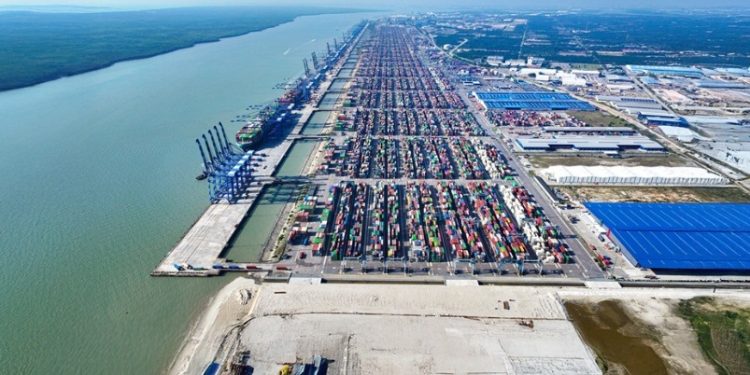
Port Klang has evolved into one of Southeast Asia’s most important maritime and logistics gateways, serving as the backbone of Malaysia’s international trade and supply chain ecosystem. Strategically located along the Strait of Malacca, one of the world’s busiest shipping lanes, Port Klang plays a critical role in facilitating regional and global commerce.
As Malaysia’s largest port, Port Klang handles millions of containers annually and acts as a central hub for shipping lines, freight forwarders, manufacturers, importers, exporters, and logistics providers. Its integrated ecosystem of deep-sea terminals, free trade zones, rail connectivity, warehousing facilities, and industrial infrastructure has positioned the port as a key driver of economic growth and regional supply chain efficiency.
Today, Port Klang is not only a maritime gateway for Malaysia but also an increasingly influential logistics hub within ASEAN and the broader Asia-Pacific region.
The Strategic Importance of Port Klang
Port Klang’s greatest advantage lies in its strategic geographical position. Situated on the west coast of Peninsular Malaysia, the port is directly connected to the Strait of Malacca, a critical maritime corridor through which a significant portion of global trade passes each year.
This location enables Port Klang to serve as a major transshipment and cargo distribution center connecting Asia, the Middle East, Europe, and Africa. The port’s proximity to Kuala Lumpur and Malaysia’s industrial heartland further enhances its value to manufacturers and exporters.
Port Klang supports Malaysia’s trade-driven economy by facilitating the movement of essential commodities, manufactured goods, electronics, automotive products, machinery, and consumer goods. The port also acts as a gateway for imports that support domestic industries and commercial activities.
As ASEAN continues to strengthen regional trade integration, Port Klang has become increasingly important for cross-border logistics and supply chain coordination throughout Southeast Asia.
Cargo Throughput and Global Port Rankings
Port Klang consistently ranks among the busiest container ports in Southeast Asia and remains one of the top container ports globally in terms of cargo throughput.
The port handles more than 13 million TEUs annually, reflecting strong growth in containerized trade and transshipment activities. Its cargo volume continues to expand due to increasing regional manufacturing activity, e-commerce growth, and global supply chain diversification.
Port Klang’s strong operational performance has helped Malaysia maintain its competitiveness within the regional maritime industry, competing with other major ports such as Singapore, Laem Chabang, and Tanjung Pelepas.
A significant portion of Port Klang’s cargo traffic consists of transshipment containers, highlighting its role as a regional redistribution hub for international shipping lines operating across Asia and beyond.
Westports: Driving Container Growth and Efficiency
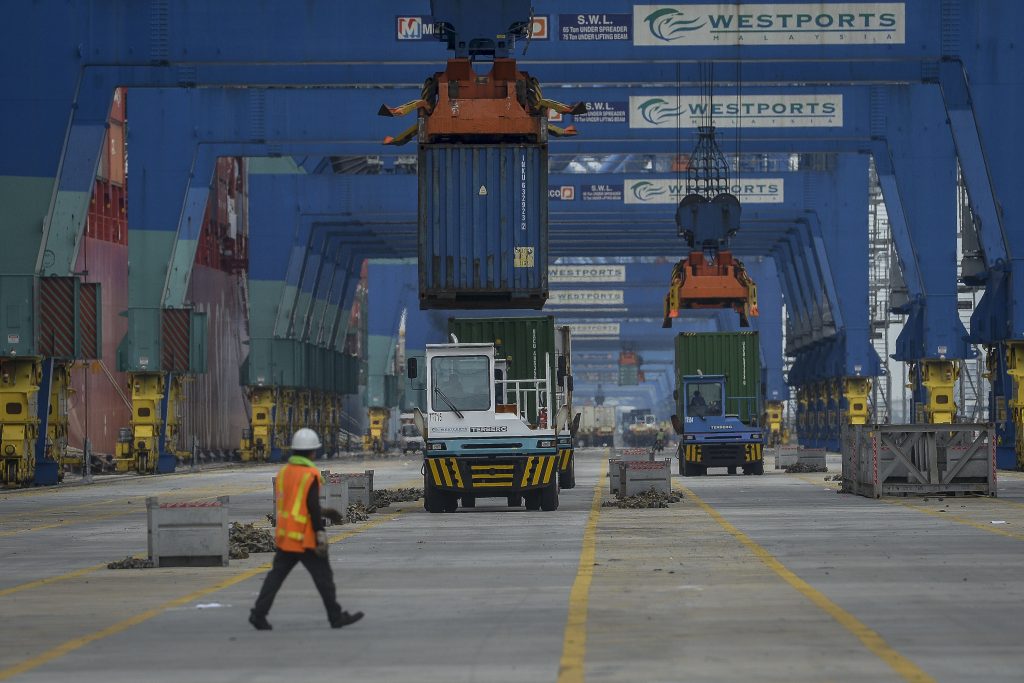
Westports is the largest container terminal operator within Port Klang and serves as a major contributor to Malaysia’s maritime logistics sector.
Known for its high operational efficiency and advanced terminal infrastructure, Westports handles the majority of the port’s container traffic. The terminal accommodates some of the world’s largest container vessels and offers extensive shipping connectivity to international trade routes.
Westports has invested heavily in automation, digitalization, smart port technologies, and sustainability initiatives to improve productivity and reduce vessel turnaround times. These developments have strengthened Port Klang’s competitiveness in the global shipping industry.
The terminal’s continuous expansion projects are expected to further increase container handling capacity and reinforce Malaysia’s long-term position as a regional logistics powerhouse.
Northport and Bulk Cargo Operations
Northport complements the overall Port Klang ecosystem by focusing on diversified cargo handling, including conventional cargo, bulk commodities, breakbulk shipments, liquid cargo, and containerized freight.
The terminal plays an important role in supporting industries such as manufacturing, agriculture, chemicals, and energy. Its integrated logistics services provide value-added solutions for cargo owners requiring specialized handling and storage capabilities.
Northport also contributes to Malaysia’s import-export activities through efficient customs facilitation, warehousing services, and multimodal transportation connectivity.
Together, Westports and Northport create a balanced port ecosystem capable of handling diverse cargo categories while supporting the evolving needs of global trade.
Port Klang Free Zone and Logistics Ecosystem
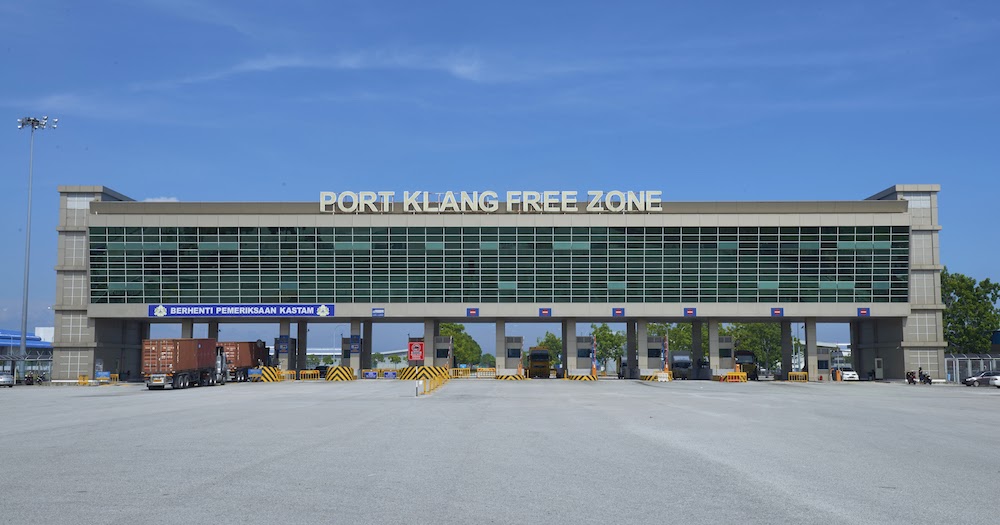
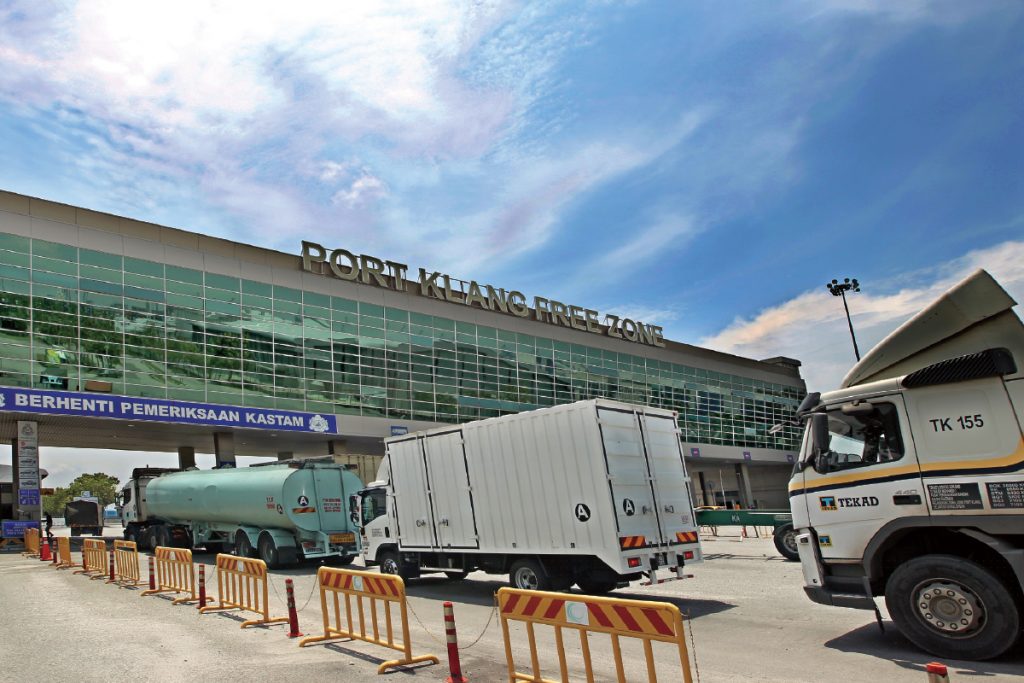
The Port Klang Free Zone (PKFZ) represents one of Malaysia’s most ambitious logistics and commercial development projects. Designed as an integrated free commercial and industrial zone, PKFZ combines port operations with warehousing, distribution, manufacturing, and value-added logistics services.
The free zone offers strategic advantages for multinational companies seeking regional distribution capabilities within ASEAN markets. Businesses operating within PKFZ benefit from customs incentives, streamlined trade procedures, and direct connectivity to maritime shipping routes.
The logistics ecosystem surrounding Port Klang includes extensive warehousing facilities, cold chain infrastructure, bonded storage, freight forwarding services, container depots, and distribution centers. This integrated environment supports industries such as electronics, automotive, retail, pharmaceuticals, and fast-moving consumer goods.
As supply chains become increasingly complex, Port Klang’s logistics infrastructure provides businesses with greater flexibility, scalability, and operational efficiency.
Connectivity and Inland Transportation Infrastructure
Efficient hinterland connectivity is essential for modern logistics operations, and Port Klang benefits from strong transportation infrastructure linking the port to major economic centers across Malaysia.
The port is connected to Kuala Lumpur and surrounding industrial zones through major highways including the North-South Expressway and the Shah Alam Expressway. These road networks facilitate efficient cargo movement between ports, factories, warehouses, and distribution centers.
Rail connectivity also enhances Port Klang’s logistics capabilities. Cargo movement through rail freight services supports inland transportation efficiency while reducing road congestion and transportation costs.
The combination of maritime, road, and rail infrastructure strengthens Port Klang’s role as an integrated multimodal logistics hub capable of supporting large-scale regional supply chains.
The Role of Port Klang in ASEAN Supply Chains
Port Klang plays an increasingly important role in ASEAN’s evolving supply chain landscape. As manufacturers diversify production bases across Southeast Asia, Malaysia has emerged as an attractive destination for regional logistics and industrial investment.
The port supports trade connectivity between ASEAN countries while facilitating exports to global markets. Its strategic location enables businesses to optimize shipping routes, reduce transit times, and improve inventory management.
Port Klang also benefits from regional trade agreements and Malaysia’s strong position within ASEAN economic integration initiatives. These advantages continue to attract shipping lines, logistics providers, and multinational corporations seeking reliable regional supply chain infrastructure.
The rapid growth of e-commerce and digital trade has further increased demand for efficient logistics solutions, positioning Port Klang as a key enabler of cross-border commerce in Southeast Asia.
Sustainability and Future Growth
Sustainability is becoming a major priority within the global maritime and logistics industry, and Port Klang is actively investing in environmentally responsible initiatives.
Port operators are exploring green technologies, energy-efficient equipment, emission reduction programs, and digital port management systems to enhance operational sustainability. Automation and smart logistics solutions are also helping improve efficiency while reducing environmental impact.
Future expansion plans for Port Klang are expected to increase cargo handling capacity, strengthen transshipment operations, and improve overall port competitiveness. Continued investments in infrastructure, digitalization, and logistics innovation will be critical to supporting long-term growth.
As global supply chains continue to evolve, Port Klang is well positioned to capitalize on shifting trade patterns and growing demand for resilient logistics networks.
Conclusion
Port Klang stands as a cornerstone of Malaysia’s logistics, shipping, and maritime economy. Its strategic location, world-class port infrastructure, strong cargo handling capabilities, and integrated logistics ecosystem have established it as one of Southeast Asia’s most important trade gateways.
With major facilities such as Westports, Northport, and the Port Klang Free Zone driving continuous growth, the port remains central to Malaysia’s ambitions of becoming a leading regional logistics hub.
As ASEAN trade expands and global supply chains become more interconnected, Port Klang’s role in facilitating international commerce will continue to grow. Through sustained investment, technological advancement, and infrastructure development, Port Klang is poised to remain a critical engine of regional trade and economic progress for decades to come.
FAQ Section
Why is Port Klang important to Malaysia?
Port Klang is Malaysia’s largest port and serves as the country’s primary gateway for international trade, logistics, and maritime activities.
What is the container capacity of Port Klang?
Port Klang handles more than 13 million TEUs annually, making it one of the busiest ports in Southeast Asia.
What are the main terminals in Port Klang?
The two primary terminals are Westports and Northport, both of which support container handling, bulk cargo, and logistics operations.
What is the Port Klang Free Zone?
The Port Klang Free Zone is an integrated logistics and commercial hub that combines warehousing, manufacturing, and trade facilitation services.
How does Port Klang support ASEAN trade?
Port Klang provides strategic shipping connectivity and supply chain infrastructure that facilitate regional and international trade throughout ASEAN markets.