Logistics in Malaysia: A Buyer's Guide to Services and Partners
What each logistics service does, how to compare providers and what to prepare for an accurate quotation.
Guide · Updated 17 Nov 2026 · Central Continent
24 hours
Quotation reply time on working days
6 Incoterms
EXW, FOB, CFR, CIF, DAP and DDP quoted
Since 2011
Central Continent serving importers and exporters
Logistics in Malaysia covers much more than moving a container from the port to a factory gate. Whether you import raw materials, export finished goods or distribute stock across the country, the way you plan logistics in Malaysia affects your landed cost, your lead times and how often shipments are held up.
This guide explains the main services in practical terms, gives you a checklist for choosing a logistics company in Malaysia, and lists the information to prepare so that the quotations you receive are accurate and easy to compare.
Why Malaysia Works as a Regional Logistics Hub
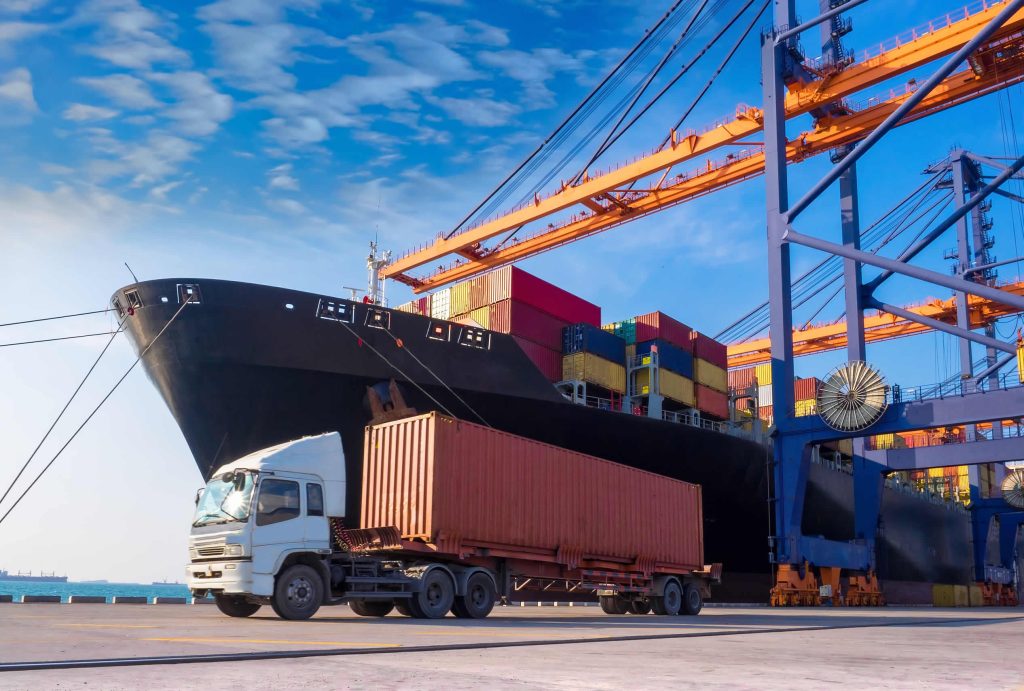
Malaysia sits on the Strait of Malacca, a major shipping lane between the Indian Ocean and the South China Sea. That position gives shippers regular sailings to the rest of Asia, the Middle East, Europe and beyond.
The country also has several gateways, so cargo can enter or leave close to where it is made or needed:
- Port Klang (North Port and West Port) for the Klang Valley and the central region, covered in our article on Port Klang as a gateway for global trade.
- Penang for the northern manufacturing areas.
- Pasir Gudang and Tanjung Pelepas in Johor for the southern region.
- KLIA as the main air cargo gateway for the Klang Valley.
- Highway links to Singapore and Thailand for cross-border trucking.
Logistics in Malaysia: The Main Services Explained
Most shipments use a combination of the services below. Knowing what each one does makes it easier to read a quotation and spot what is missing.
Sea Freight: FCL and LCL
Sea freight is the usual choice for regular and larger shipments. With FCL (full container load), you book a whole container, normally 20ft or 40ft, and only your cargo is inside. With LCL (less than container load), your goods share a container with other shippers and you pay for the space you use.
LCL generally suits smaller shipments. FCL becomes better value as your volume grows and involves less handling, because the container is not opened for consolidation. LCL cargo passes through a consolidation warehouse at each end, so allow extra time. Our sea freight services page lists the ports we cover.
Air Freight
Air freight suits urgent, high-value or time-sensitive cargo such as spare parts, electronics and samples. Charges are based on chargeable weight, which is the greater of the actual weight and the volumetric weight. Light but bulky cargo can cost more than expected, so accurate carton dimensions matter. Read more about air freight through KLIA.
Haulage and Trucking
Container haulage moves full containers between the port and your premises using prime movers. Trucking covers loose or palletised cargo on lorries, including domestic distribution and cross-border runs to Singapore and Thailand.
Before booking, check whether your site can receive a container (access road, loading bay and space for a trailer) and how long you need to unload. Containers have limited free time at the port and with the shipping line, and late returns lead to extra charges. Our haulage and trucking services page explains the options.
Customs Clearance
Every import and export must be declared to the Royal Malaysian Customs Department (JKDM). In practice, most businesses use a licensed customs agent to lodge the declaration, classify the goods under the correct tariff code, calculate duties and taxes and arrange any permits. Errors at this stage are a common cause of delays, so share complete documents early.
Warehousing and Distribution
Warehousing gives you a place to hold stock between arrival and sale. Typical services include receiving and inspection, storage, inventory reporting, pick and pack, labelling and dispatch. Distribution then moves goods from the warehouse to your customers, branches or retailers on a scheduled or on-demand basis.
Last-Mile Delivery
Last-mile delivery is the final leg to the end customer, whether a shop, a project site or a household. For business deliveries, the priorities are usually delivery windows, unloading equipment and signed proof of delivery. For online orders, tracking updates and handling of failed deliveries matter more.
Project Cargo
Project cargo covers heavy, oversized or high-value items such as machinery, plant equipment and steel structures. These shipments often need flat rack or open top containers, breakbulk vessels, route surveys, lifting plans and road permits for oversized loads. Start planning well before the cargo is ready.
How to Choose a Logistics Partner: A Checklist
Price matters, but the cheapest quotation is not always the lowest total cost. Use these questions when you compare providers:
- Services and control: Which services do they run with their own or group assets, and which are subcontracted? Owned trucks and yards usually mean better control at busy times.
- Port and airport coverage: Can they handle the gateways you use, such as Port Klang, Penang, the Johor ports and KLIA?
- Customs arrangements: Who lodges your declarations, and is that customs agent licensed?
- Overseas network: Do they have reliable agents at origin and destination? Membership of international forwarder networks is a useful sign.
- Clear quotations: Are origin charges, freight, destination charges, haulage and customs listed separately, with validity dates and exclusions?
- Experience with your cargo: Have they moved similar goods, including dangerous goods, temperature-sensitive cargo or project cargo?
- Communication: Will you have a named contact, and how quickly do they reply to enquiries and problems?
- Visibility: Do they send shipment updates, documents and proof of delivery without being chased?
- Insurance: Can they advise on and arrange cargo insurance?
What to Prepare Before Requesting a Quotation
A complete enquiry gets a faster and more accurate quotation. Prepare the following where possible:
- Commodity description and, if known, the HS code.
- Full pickup and delivery addresses, not just the countries.
- The Incoterm agreed with your buyer or supplier, such as EXW, FOB, CFR, CIF, DAP or DDP.
- Number of packages, gross weight and dimensions, or the container type and quantity.
- Cargo ready date and required delivery date.
- A safety data sheet if the goods are dangerous or chemical.
- Special handling needs, such as stacking limits, temperature control or lifting equipment on site.
- The services you need: customs clearance, haulage, insurance, warehousing or delivery.
- Expected frequency, if the shipment will repeat.
Common Mistakes to Avoid
- Comparing freight rates only. Local charges, haulage, customs and storage can outweigh a small difference in sea or air freight.
- Agreeing an Incoterm without checking who does what. Under EXW, for example, the buyer is responsible for collection and export formalities at origin, which can be hard to arrange from abroad.
- Sending incomplete or inconsistent documents. Different weights, descriptions or values on the invoice, packing list and bill of lading often lead to customs queries.
- Ignoring free time. Slow unloading or late documents can lead to port storage, demurrage and detention charges.
- Booking at the last minute. Space tightens in peak seasons and before public holidays, so book early.
- Skipping cargo insurance. Carrier liability is limited, so insurance is worth considering for valuable goods.
Frequently Asked Questions
What is the difference between FCL and LCL?
FCL means you book a whole container for your cargo. LCL means your cargo shares a container with other shippers and you pay for the space used. LCL suits smaller volumes, while FCL is usually better value and involves less handling for larger shipments.
Should I choose sea freight or air freight?
Sea freight is more economical for larger volumes and heavy goods when transit time is flexible. Air freight is faster and suits urgent, light or high-value cargo. Many businesses use both: sea freight for regular stock and air freight for urgent top-ups.
Do I need a customs agent to import goods into Malaysia?
Most businesses use a licensed customs agent to prepare and lodge declarations with the Royal Malaysian Customs Department and to handle duties, taxes and permits. Your logistics provider can usually arrange this as part of the shipment.
Which Incoterm should I use?
It depends on how much of the journey you want to control. FOB and CIF are common for sea freight, while DAP and DDP place more responsibility on the seller. Agree the term with your trading partner before booking, as it decides who pays for each leg and who handles customs.
Can one provider handle the whole shipment?
Often, yes. Many forwarders combine freight, customs clearance, haulage, warehousing and delivery under one booking. This reduces handovers and gives you one point of contact if something goes wrong.
Planning Logistics in Malaysia: Next Steps
Good logistics in Malaysia starts with a clear picture of your cargo, your Incoterm and your deadlines. With that information ready, you can compare providers on total cost, coverage and service rather than on a single freight rate.
Central Continent has handled sea freight, air freight, haulage, warehousing and project cargo from its office in Bukit Jalil, Kuala Lumpur, since 2011. Share your shipment details through our quotation request page and we aim to reply within 24 hours on working days.
Need a logistics quote?
Tell us what you are shipping, from where to where, the weight or volume and your timing. Central Continent replies with a quotation within 24 hours on working days.
Customs Clearance Services in Malaysia
What a customs clearance service covers and how to choose a provider.
Port Klang: Malaysia's Strategic Gateway
How Port Klang supports global trade and logistics.
Malaysia's Role in Southeast Asia's Supply Chain
An overview of Malaysia's supply chain and economic growth.