Port Klang has established itself as the backbone of Malaysia’s maritime trade and logistics industry, serving as one of Southeast Asia’s most strategically positioned shipping gateways. As Malaysia’s largest and busiest port, Port Klang plays a vital role in facilitating global trade, container shipping, customs clearance, warehousing, and regional supply chain management.
At the center of this ecosystem are freight forwarders in Port Klang, who act as critical coordinators between shippers, shipping lines, customs authorities, transport providers, and distribution networks. These logistics specialists ensure the efficient movement of cargo across international borders while helping businesses navigate increasingly complex global supply chains.
With rising trade volumes, expanding ASEAN connectivity, and growing demand for integrated logistics solutions, freight forwarders in Port Klang continue to strengthen Malaysia’s position as a leading logistics and maritime hub in the Asia-Pacific region.
The Strategic Importance of Port Klang
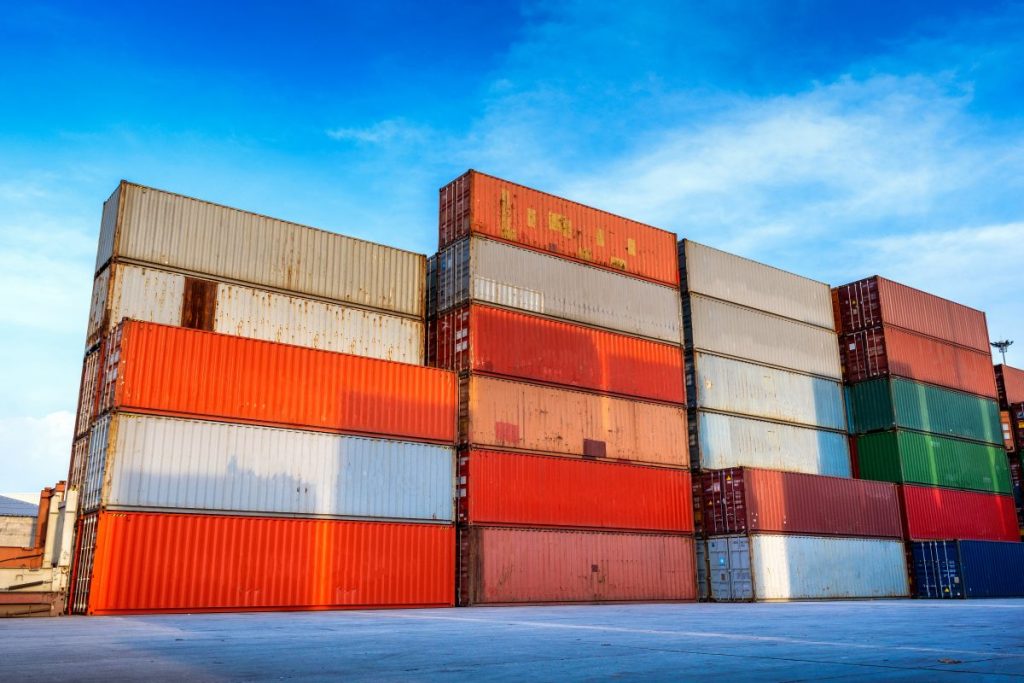
Industrial containers box for logistic import export business.
Port Klang is strategically located along the Strait of Malacca, one of the busiest maritime trade routes in the world. This advantageous position enables the port to serve as a major gateway for cargo moving between Asia, Europe, the Middle East, and Africa.
The port’s proximity to Kuala Lumpur and Malaysia’s industrial corridors makes it an ideal logistics hub for manufacturers, importers, exporters, and multinational corporations. Freight forwarders operating in Port Klang benefit from direct access to shipping terminals, customs facilities, industrial zones, and inland transportation networks.
Port Klang handles more than 13 million TEUs annually, placing it among the top container ports in Southeast Asia. Its role as both a gateway port and a transshipment hub strengthens Malaysia’s competitiveness within the global logistics and shipping industry.
For freight forwarding companies, Port Klang offers exceptional connectivity, operational efficiency, and access to regional markets across ASEAN.
The Role of Freight Forwarders in Port Klang
Freight forwarders in Port Klang play a critical role in managing the movement of cargo throughout the supply chain. Their responsibilities extend beyond transportation coordination and include customs documentation, cargo consolidation, warehousing, freight booking, insurance handling, and trade compliance.
As global trade regulations become more complex, businesses increasingly rely on experienced freight forwarding companies to ensure smooth cargo movement and minimize delays.
Freight forwarding services in Port Klang commonly include:
- Sea freight coordination
- Air freight services
- Customs clearance
- Container transportation
- Warehousing and distribution
- Cross-border logistics
- Cargo insurance
- Supply chain management
- Import and export documentation
- Last-mile delivery solutions
By integrating these services into a single logistics framework, freight forwarders help businesses improve operational efficiency and reduce transportation costs.
Sea Freight and Container Shipping Services
Sea freight remains the dominant logistics service within Port Klang due to the port’s large-scale container handling capabilities and international shipping connectivity.
Freight forwarders in Port Klang manage Full Container Load (FCL) and Less than Container Load (LCL) shipments for businesses across various industries including electronics, automotive, retail, pharmaceuticals, chemicals, and consumer goods.
Port Klang’s container terminals, particularly Westports and Northport, are capable of accommodating some of the world’s largest container vessels. These terminals maintain strong shipping connectivity with major global ports, enabling freight forwarders to offer competitive transit times and reliable shipping schedules.
Container shipping services in Port Klang are supported by advanced cargo handling systems, modern port infrastructure, and efficient customs processing, allowing businesses to move cargo seamlessly across international markets.
Customs Clearance and Trade Compliance
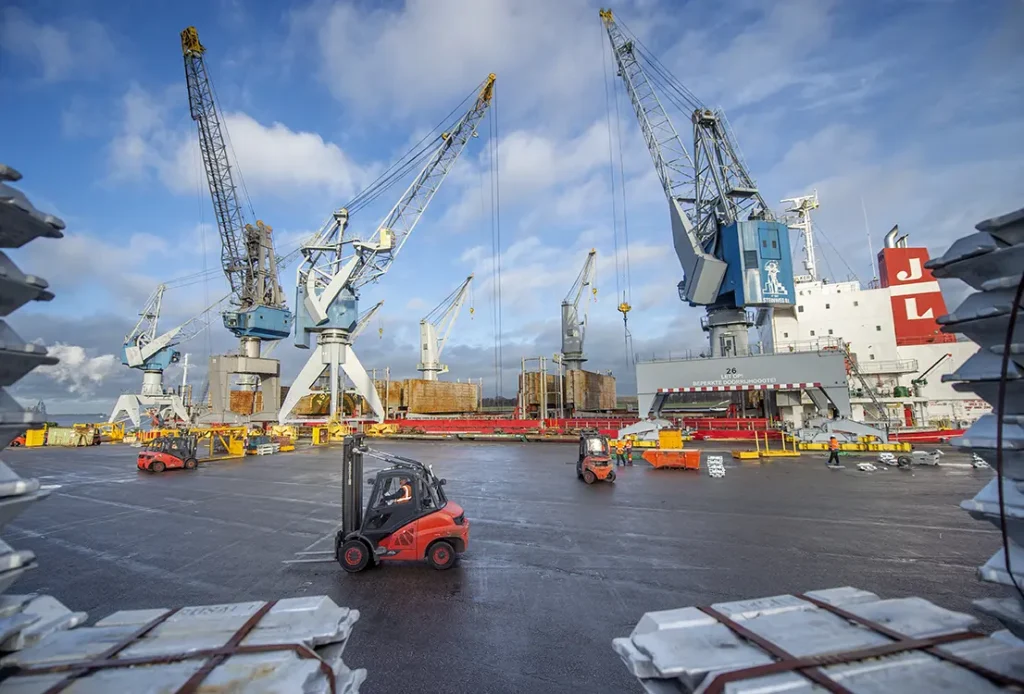
Customs clearance is one of the most important aspects of international freight forwarding operations. Freight forwarders in Port Klang play a key role in ensuring cargo complies with Malaysian customs regulations and international trade requirements.
Efficient customs handling minimizes cargo delays, reduces administrative risks, and improves overall supply chain performance. Freight forwarding companies assist businesses with import permits, tariff classifications, shipping documentation, duty calculations, and regulatory compliance.
As Malaysia continues to strengthen its trade relationships within ASEAN and beyond, customs expertise has become increasingly valuable for companies involved in cross-border trade.
Port Klang’s established customs infrastructure and digital trade facilitation systems further support efficient cargo clearance processes.
Warehousing and Distribution Capabilities
Modern freight forwarders in Port Klang are no longer limited to cargo transportation alone. Many now provide integrated warehousing and distribution solutions designed to support end-to-end supply chain operations.
The region surrounding Port Klang has developed into a major logistics and industrial cluster featuring bonded warehouses, cold chain facilities, container depots, fulfillment centers, and large-scale distribution hubs.
Warehousing and distribution services commonly include:
- Inventory management
- Order fulfillment
- Palletizing and packaging
- Cold storage
- Cross-docking
- E-commerce logistics
- Distribution management
These value-added logistics services allow businesses to streamline inventory operations while improving delivery efficiency across domestic and regional markets.
Port Klang Free Zone and Logistics Infrastructure
The Port Klang Free Zone (PKFZ) has significantly enhanced Malaysia’s logistics competitiveness by creating an integrated commercial and logistics environment adjacent to the port.
PKFZ combines port operations, warehousing, manufacturing, and distribution facilities within a strategically connected free trade zone. This environment enables freight forwarders and logistics companies to provide faster cargo handling and regional distribution services.
Companies operating within PKFZ benefit from customs incentives, simplified trade procedures, and direct access to shipping infrastructure. The zone has attracted multinational corporations involved in manufacturing, retail, automotive, and supply chain operations.
In addition to PKFZ, Port Klang benefits from extensive highway and rail connectivity that links the port to Kuala Lumpur, Penang, Johor, and other major industrial regions throughout Malaysia.
ASEAN Connectivity and Regional Supply Chains
As ASEAN economies continue to expand, Port Klang has become an increasingly important gateway for regional trade and supply chain integration.
Freight forwarders in Port Klang support cross-border logistics operations connecting Malaysia with Thailand, Singapore, Indonesia, Vietnam, and other ASEAN markets. This regional connectivity is essential for manufacturers and distributors operating within multi-country supply chains.
The growth of e-commerce, regional manufacturing diversification, and international sourcing strategies has increased demand for efficient logistics coordination throughout Southeast Asia.
Port Klang’s strategic position allows freight forwarders to optimize cargo routing, reduce transportation lead times, and improve regional distribution efficiency for businesses operating across ASEAN.
Digitalization and the Future of Freight Forwarding
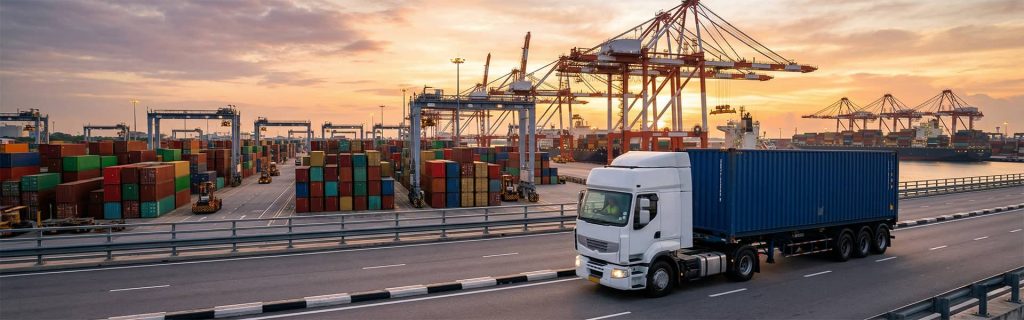
The freight forwarding industry in Port Klang is undergoing rapid transformation driven by digitalization, automation, and supply chain innovation.
Modern logistics providers are increasingly adopting digital freight management systems, cargo tracking technologies, electronic documentation platforms, and data-driven logistics planning tools. These technologies help improve shipment visibility, operational efficiency, and customer service performance.
Sustainability is also becoming a growing priority within the logistics industry. Freight forwarders are exploring greener transportation solutions, optimized route planning, and energy-efficient warehousing operations to reduce environmental impact.
As global supply chains continue to evolve, Port Klang is expected to remain a central hub for logistics innovation and regional trade growth.
Conclusion
Freight forwarders in Port Klang play a critical role in supporting Malaysia’s international trade, shipping, and supply chain infrastructure. Their expertise in cargo handling, customs clearance, warehousing, and logistics coordination enables businesses to operate efficiently within increasingly competitive global markets.
Supported by world-class port facilities such as Westports, Northport, and the Port Klang Free Zone, Port Klang continues to strengthen its position as one of Southeast Asia’s leading logistics gateways.
With growing ASEAN trade activity, expanding maritime connectivity, and rising demand for integrated supply chain solutions, freight forwarding companies in Port Klang are well positioned to drive the next phase of Malaysia’s logistics and economic development.
FAQ Section
Why is Port Klang important for freight forwarding?
Port Klang is Malaysia’s largest port and offers strategic shipping connectivity, modern infrastructure, and efficient logistics facilities for international cargo movement.
What services do freight forwarders in Port Klang provide?
Freight forwarders provide sea freight, air freight, customs clearance, warehousing, distribution, cargo handling, and supply chain management services.
What is the Port Klang Free Zone?
The Port Klang Free Zone is an integrated logistics and commercial hub that supports warehousing, manufacturing, and regional distribution activities.
How much cargo does Port Klang handle annually?
Port Klang handles more than 13 million TEUs annually, making it one of Southeast Asia’s busiest container ports.
Why is Port Klang strategically important in ASEAN?
Its location along the Strait of Malacca and strong regional connectivity make Port Klang a major gateway for ASEAN trade and international shipping operations.